
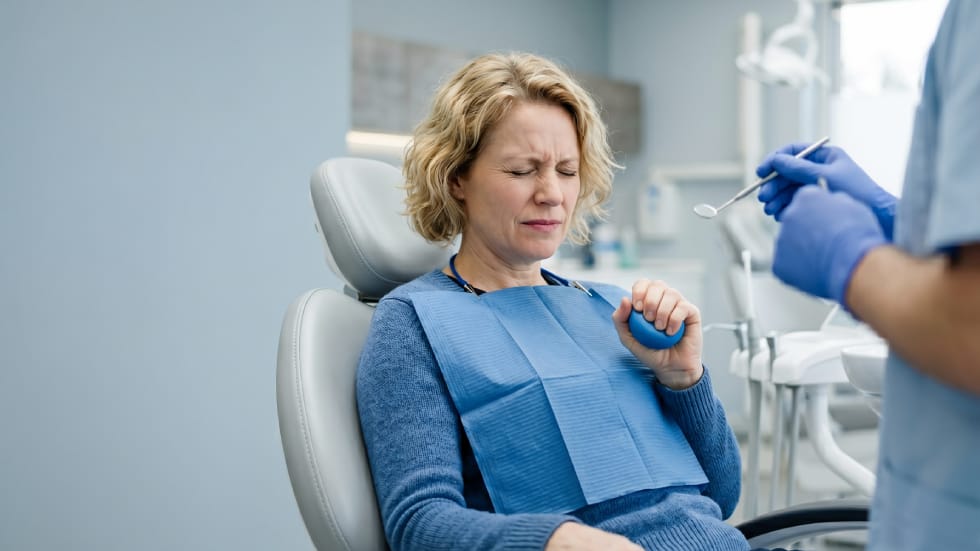
Anxious patients are helped by caring dental clinics through gentle communication, sedation options, and calming environments being created; techniques like nitrous oxide, detailed procedure explanations, and flexible scheduling are now offered by most clinics to reduce stress and build trust with nervous patients.
Fast Facts
- Some level of dental anxiety is experienced by 75% of adults
- Anxiety during procedures can be reduced by up to 90% through sedation dentistry
- Comfort amenities like noise-canceling headphones are now offered by most dental clinics
- 60% less stress during treatment is reported by patients who discuss their fears beforehand
- When parents remain calm and supportive, children’s dental anxiety often decreases
Understanding Dental Anxiety in Oshawa
Differently for everyone, dental anxiety shows up. Mild nervousness before appointments is felt by some patients; full panic attacks at the thought of dental work are experienced by others. From what we’ve seen at King Ritson Dental Clinic, uncertainty about what to expect often starts the fear.
These feelings cause many Oshawa residents to postpone dental care. The irony is that both the dental problems and the anxiety usually get made worse over time by delaying treatment. But what’s encouraging is this: the right approach and communication can address most dental fears.
Creating a Welcoming Environment
A difference should be felt by patients the moment they walk into a caring dental clinic. A more relaxed atmosphere gets contributed to by soft lighting, comfortable seating, and calming music. Aromatherapy is even used by some clinics, or warm blankets are offered during procedures.
Staff training makes a huge difference too. How to speak slowly, explain each step, and check in frequently with patients is known by dental teams who understand anxiety. More control of their experience is helped to be felt by nervous patients through these small gestures.
Communication Techniques That Work
The foundation of anxiety management in dental care is formed by honest communication. Time is taken by caring dentists before any procedure begins to explain exactly what will happen, how long it will take, and what sensations might be felt by patients.
A “tell-show-do” approach is now used by many clinics. The procedure gets described, the instruments that will be used are shown to the patient, then the treatment is performed. Anxiety has been proven to be reduced significantly by this method, especially for first-time patients or those with past negative experiences.
Sedation Options for Different Comfort Levels
Various sedation methods are offered by modern dental clinics to help anxious patients relax. Mild relaxation is provided by nitrous oxide, commonly called laughing gas, while patients are kept fully conscious and able to respond.
Taking medication before the appointment to achieve deeper relaxation is involved in oral sedation. More complex procedures or patients with severe anxiety are what IV sedation is reserved for. The individual patient’s needs and medical history are what each option gets tailored to.
Special Considerations for Children
Extra patience and specialized techniques are required by dentistry for kids. Their parents’ anxiety levels are often mirrored by children; family education becomes important because of this. Age-appropriate language, colorful environments, and reward systems are used by pediatric dental teams to make visits positive.
Separate areas designed specifically for young patients are had by many Oshawa dental clinics. Bright colors, toys, and entertainment systems are featured in these spaces; dental visits get helped to be associated with fun rather than fear by children.
Building Long-Term Trust
Through consistent positive experiences, trust develops gradually. Their anxious patients becoming more relaxed over multiple visits is often seen by dental teams that prioritize patient comfort. Patience from both the dental team and the patient is required by this process.
When patients know what to expect and trust their dental provider, regular check-ups become easier. Their fear decreasing significantly once they establish a relationship with a caring dental team is reported by many formerly anxious patients.
Technology That Reduces Discomfort
Many procedures have been made more comfortable than in the past by advanced dental technology. The need for traditional drilling in some cases can be reduced by laser dentistry. Less radiation is exposed to patients by digital X-rays, and immediate results are provided.
Exactly what the dentist sees is allowed to be seen by patients through intraoral cameras; the fear of the unknown gets helped to be reduced by this. When their dental health is understood visually by patients, recommended treatments are often felt more comfortable with.
Taking the Next Step
If necessary care has been kept from you by dental anxiety, I suppose reaching out to a dental clinic that understands your concerns is the first step. Consultation appointments are offered by many offices where the team can be met and your specific fears can be discussed without any treatment pressure.
At King Ritson Dental Clinic, every patient deserving to feel comfortable and respected during their dental care is believed by us. Working with anxious patients is what our team is experienced in, and making your experience as positive as possible is what we’re committed to. Our patient-focused approach can be learned more about by visiting our website.
Mini-FAQ
Q: What should I tell my dentist about my anxiety? Your specific fears should be shared completely honestly. Whether it’s the sound of the drill, fear of pain, or past bad experiences, what triggers your anxiety needs to be known by your dental team. Your treatment approach gets customized using that information.
Q: Can I be sedated for routine cleanings? Look, different levels of sedation are offered by most dental offices depending on your anxiety level. For routine procedures, nitrous oxide is commonly available; oral sedation might be recommended for more extensive work. What’s appropriate gets determined by your comfort level.
Q: How do I know if a dental clinic is good with anxious patients? Fair point to ask upfront. Dental anxiety experience is typically mentioned by clinics on their websites, consultation calls are offered, and staff trained in anxiety management techniques are employed. Your concerns will usually be discussed before any treatment starts. That still surprises people.
Q: What if I have a panic attack during treatment? Funny enough, this situation is something experienced dental teams are prepared for. The procedure will be stopped immediately, your breathing will be helped to regulate, and time to recover will be given. Protocols for managing panic responses are in place at most clinics.