
BLOGS

King Ritson Dental FAQ: Services, Insurance & Emergency Care
The same questions are fielded repeatedly by dental clinics, from insurance coverage to emergency protocols. As it turns out, three main areas are where most patient concerns center: what services are available, how payment works, and what happens during urgent situations. Appointment scheduling is frequently wondered about by new patients, while specialized treatments that weren’t needed during initial visits are asked about by existing patients. The questions get asked differently, but fairly consistent underlying concerns remain across different practices.
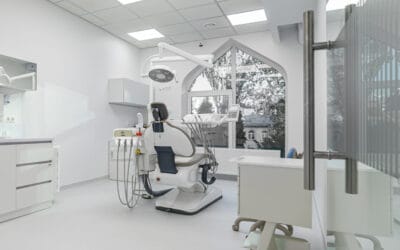
What Makes a Great Dental Clinic? King Ritson’s Approach
Technical expertise gets balanced with genuine patient care at great dental clinics, though both qualities are struggled with by many practices consistently. Comprehensive treatment options, experienced staff, and patient comfort commitments are what the most successful clinics get built around. As it turns out, small details that patients notice immediately are often what distinguish the best dental practices. Everything from routine cleanings to specialized treatments has been offered by King Ritson Dental Clinic in Oshawa, which was designed around these principles. Families looking for reliable oral healthcare seem to be resonated with by that approach.

How to Prepare for Your Dental Appointment: Complete Guide
Dental appointments require more paperwork and coordination than most people expect. Insurance verification and medical history forms are handled by the administrative side, which often takes as much time as the clinical preparation itself. As it turns out, many patients are left unprepared simply because what their dental office needs beforehand isn’t communicated clearly. If you’re seeing a new provider or haven’t visited the dentist in several years, the forms alone can feel overwhelming. Most insurance plans get accepted at dental clinics; however, coverage details are varied significantly by your specific policy and the type of treatment that’s needed.

Does Dental Insurance Cover Cleanings, Emergencies & Implants?
Coverage for dental insurance is determined by your specific plan and the treatment type being considered. Routine cleanings are covered by most basic plans at 80-100%, though emergency procedures and implants are often handled differently by insurers. As it turns out, coverage gaps are discovered by many Oshawa residents only when expensive treatments become necessary. Major services coverage usually applies to emergency dental work at 50-80%, while implants are frequently excluded entirely or separate riders are required. Confusion often results from the fine print in dental policies; what appears to be comprehensive coverage might leave patients facing substantial out-of-pocket costs when care is needed most.
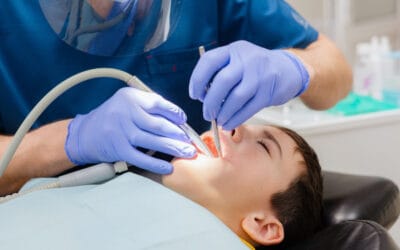
Emergency Dentist Oshawa: Costs, Wait Times & What to Bring
Convenient times are rarely chosen by dental emergencies, and what to expect can be understood to make stressful situations more manageable. Patients are found to arrive at emergency dental clinics unprepared in many cases; treatment gets complicated and wait times are extended as a result. Emergency dental costs in Oshawa are typically ranged from $150 for basic consultations to $800 for complex procedures, though insurance coverage is varied significantly. The severity of your condition, time of day, and clinic capacity influence wait times. Most emergency dental visits are made smoother when the process is understood by patients beforehand, that said.
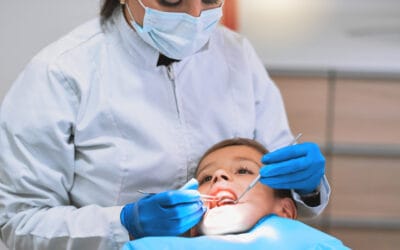
How Often Should Kids See the Dentist? Oshawa Parent Guide
Every six months is recommended by most dental professionals for children’s visits, though individual needs can vary based on age and oral health status. As it turns out, this routine is established early to help prevent more serious issues down the road. The frequency might be adjusted by your dental team depending on factors like cavity risk, orthodontic needs, or specific developmental concerns. Regular checkups are found by many Oshawa families to become easier once kids get comfortable with the process; timing recommendations are, in a way, influenced by each child’s unique circumstances.

Best Oral Hygiene Routine at Home: Dentist-Approved Tips
Building a solid oral hygiene routine at home doesn’t require expensive gadgets or complicated procedures. As it turns out, the most effective routines are built around consistent basics that many families already know but don’t always follow properly. Simple habits like proper brushing technique, timing, and choosing the right products can be adjusted for both adults and children in the same household. From what we’ve seen in dental practices, the biggest improvements are usually achieved through small changes rather than complete overhauls. That’s probably why so many people find success once they focus on doing the fundamentals well.

How Oral Health Affects Your Overall Health: Heart & Diabetes Links
Unexpected connections between what happens in your mouth and the rest of your body continue to be revealed by research. As it turns out, the bacteria that cause gum disease don’t stay put; they can travel through your bloodstream and affect organs far from your teeth. Poor oral health has been linked to heart disease, diabetes complications, and even pregnancy outcomes through various studies. The mouth is served as a gateway to the body, and inflammation there often signals trouble elsewhere. What surprises many people is just how quickly these connections can develop.
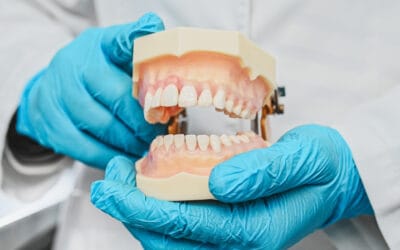
Signs of Gum Disease You Shouldn’t Ignore: Early Warning Symptoms
Roughly 70% of adults are affected by gum disease, yet the early warning signs are missed by many people until significant damage has occurred. As it turns out, minor bleeding during brushing is often dismissed, but it signals the beginning stages of periodontal disease. Normal wear and tear is what these symptoms are frequently mistaken for; however, they represent your body’s attempt to fight bacterial infection along the gum line. The early indicators can be surprisingly varied, from persistent bad breath to subtle changes in how your teeth feel when you bite down. Recognition becomes all the more important for long-term oral health because the progression from gingivitis to more serious periodontal issues happens gradually.