
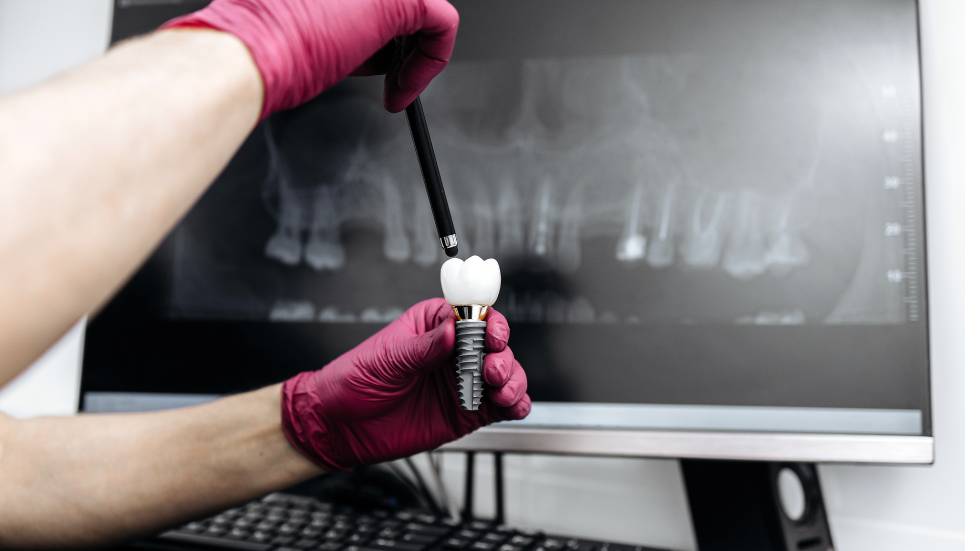
A titanium post is surgically placed into the jawbone by dental professionals, which fuses with the bone over 3-6 months. They typically last 20-30 years or longer with proper care; costs in Oshawa usually range from $4,000-$7,000 per implant. Multiple appointments are involved in the process, but the most natural-feeling tooth replacement available is offered.
Fast Facts
- Success rates for dental implants are exceeded by 95% when experienced professionals handle placement
- The titanium post integration process takes roughly 3-4 months for most patients
- Implant crowns may need replacement every 10-15 years, while decades of function are often provided by the post
- Total treatment time from consultation to final crown placement averages 4-6 months
- Implant lifespan can be extended well beyond the typical 20-30 year range through proper oral hygiene
How Dental Implants Actually Work
A detailed consultation and 3D imaging are used to start the implant process, mapping your jawbone structure. During the surgical phase, a small titanium post is placed directly into the bone where your tooth root used to be. An artificial root is created by this post, providing the foundation for your replacement tooth.
Your bone grows around the titanium post over the next few months in a process called osseointegration. Incredible stability is provided to implants through this biological fusion. Once integration is complete, an abutment is connected to the post, and finally a custom crown is attached. Chewing forces are distributed by the whole system working together, just like a natural tooth would.
What Affects How Long Implants Last
Implant longevity is influenced by several factors, starting with your jawbone quality and overall oral health. Excellent hygiene and regular checkups are maintained by patients who typically see their implants last well beyond the 20-30 year average. Success rates are significantly reduced by smoking, and implant lifespan can be shortened.
Replacement of the crown portion may be needed before the implant post itself. The crown is affected by normal wear and tear over 10-15 years, but replacement is much simpler than the original procedure. The same implant posts have been functioning perfectly for over 25 years in some of our Oshawa patients. Genetics play a role too, though proper care matters more than most other factors.
Understanding Implant Costs in Oshawa
A single dental implant in Oshawa typically requires an initial investment ranging from $4,000 to $7,000, depending on complexity and materials used. The surgical placement, abutment, and crown are included in this cost. In some instances, there may be insufficient bone thickness, height, or quality, and a bone grafting procedure may be required before an implant can be placed, which can increase the overall cost.
Comparison to other tooth replacement options over time is found helpful by many patients. Less upfront cost might be offered by a traditional bridge, but replacement is often needed every 10-15 years. Ongoing adjustments and replacements are also required by dentures. When long-term value is calculated, implants often prove more economical. Insurance coverage varies, so checking your specific benefits before treatment starts is worth doing.
The Treatment Timeline Process
A comprehensive examination and treatment planning session begin your implant journey. Advanced imaging is used by us to ensure precise placement and identify any potential complications early. The actual surgical procedure usually takes 1-2 hours per implant, depending on your case’s complexity.
A healing period follows surgery where the implant integrates with your bone. Normal activities are returned to by most people within a few days, though complete integration takes several months. A temporary solution is provided by us during this time so you’re never without teeth. Once healing is complete, impressions are taken for your custom crown and the restoration process is completed. About four to six months are averaged by the entire timeline from start to finish.
Caring for Your New Implant
Caring for natural teeth is closely resembled by implant maintenance, with some important additions. Daily brushing and flossing remain essential, though special floss or interdental brushes are needed by you to clean around the implant properly. Peri-implantitis is helped to be prevented by regular professional cleanings, which is similar to gum disease around natural teeth.
Extremely hard foods that could damage the crown are recommended to be avoided by us, though normal eating is perfectly fine. Quick adaptation occurs with most patients and they forget they even have an implant. Good habits established early and maintained consistently are key. Detailed care instructions and ongoing support are provided by our team at King Ritson Dental Clinic to help ensure your implant’s long-term success. Visit our website to learn more about our comprehensive implant services in Oshawa.
Mini-FAQ
Q: How painful is the dental implant procedure? Mild discomfort similar to a tooth extraction is reported by most patients. Local anesthesia is used during placement, and post-procedure discomfort is typically managed by over-the-counter pain medication. Just a few days are usually needed for recovery.
Q: Do dental implants feel like real teeth? Once fully healed, implants function and feel remarkably similar to natural teeth. Normal eating, speaking, and smiling can be done without worrying about slipping or clicking sounds. The crown is custom-made to match your existing teeth perfectly.
Q: What makes someone a good candidate for implants? Adequate jawbone density and healthy gums are possessed by good candidates. Age isn’t usually a limiting factor. Healing may be affected by some medical conditions or medications, so a thorough evaluation is always needed first.
Q: How long do I need to wait between implant placement and the final crown? Your healing rate and bone quality determine the waiting period. Most people wait 3-4 months for jawbone integration with the implant before their permanent crown is received.