
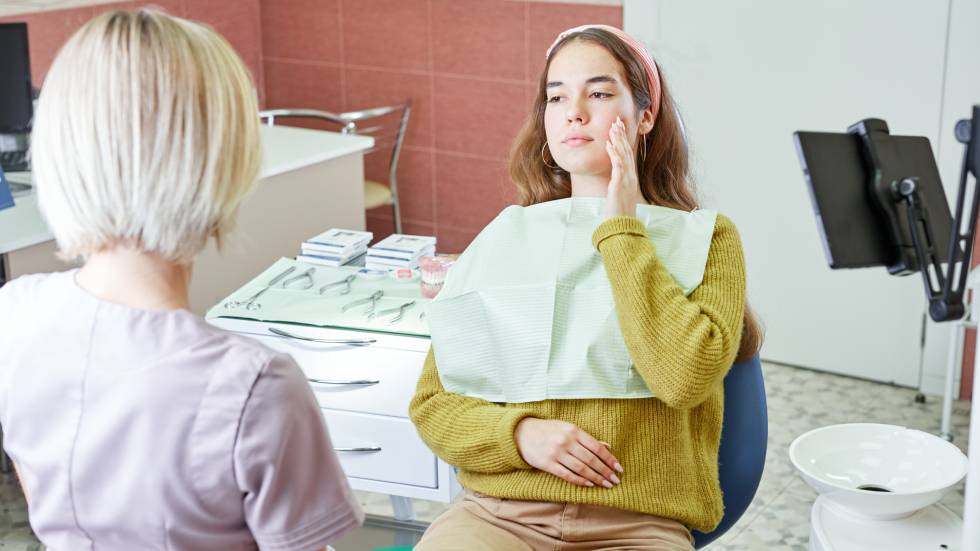
Same-day attention is usually required for a dental emergency when severe, throbbing pain that doesn’t respond to over-the-counter medication is experienced; knocked-out or loosened teeth occur; uncontrolled bleeding from the mouth happens; or facial swelling that affects breathing or swallowing develops. Serious infections or trauma that need immediate professional care can be indicated by these symptoms.
Fast Facts
- Other parts of the body can be spread to by dental infections within 24-48 hours if untreated
- A knocked-out tooth has the best chance of being saved if reimplanted within 60 minutes
- Over 2 million emergency room visits annually are for dental problems that could be treated at a dental clinic
- Airways can be blocked by facial swelling from dental infections in severe cases
- Same-day dental appointments are available for true emergencies in most Oshawa clinics
Recognizing Severe Dental Pain
Emergency treatment isn’t required by all tooth pain, but serious problems are signaled by certain types of discomfort. An abscess or deep infection is often indicated by sharp, throbbing pain that worsens when you lie down. Over-the-counter medications typically don’t respond well to this type of pain; it can keep you awake at night.
The infection may be spreading when pain radiates to your jaw, ear, or neck. From what we’ve seen, this level of discomfort is often tried to be managed at home by patients for days before help is sought. But infections don’t improve on their own. Professional intervention is required by them to prevent complications.
Dental Trauma and Knocked-Out Teeth
Accidents happen, especially during sports or physical activities around Oshawa. A true dental emergency with a limited window for successful treatment is represented by a completely knocked-out permanent tooth. Within minutes of being separated from its blood supply, the tooth’s root surface begins to die.
All the difference is made by quick action. Your chances of saving it improve dramatically if the tooth can be reimplanted immediately. Otherwise, the root surface is helped to be preserved by keeping the tooth moist in milk or your own saliva. The tooth shouldn’t be scrubbed or any attached tissue fragments removed.
Uncontrolled Bleeding
Within a few hours, minor bleeding after dental work or a small injury usually stops. However, professional attention is needed by bleeding that soaks through gauze repeatedly or continues for more than an hour. This is particularly true if blood-thinning medications are taken by you.
Normal bleeding is typically controlled by pressure applied with clean gauze. But something more serious might be happening if blood flow seems excessive or won’t slow down. Immediate care is required by deep cuts in the mouth, especially near major blood vessels.
Facial Swelling and Infections
A spreading dental infection can be indicated by swelling around your face, jaw, or neck. These infections are taken seriously because your airway can be affected by them or they can spread to other parts of your body. What starts as a small area of puffiness can expand rapidly. If your airway and/or breathing is affected, you are best to go straight to the emergency department at the hospital. Once the infection is under control and it is safe to do so, a trip to the dentist to address the dental concern would be advised.
The infection is becoming systemic when difficulty swallowing, fever, or a general feeling of illness alongside facial swelling is suggested. In many cases, the swelling is noticed by patients first thing in the morning when it’s often at its worst. Antibiotics and drainage of the infected area is usually involved in emergency treatment.
When Pain Medications Stop Working
Dental problems can be masked temporarily by over-the-counter pain relievers, but the underlying cause isn’t treated by them. The problem has likely progressed beyond what these medications can manage if maximum doses of ibuprofen or acetaminophen are found to be taken by you without relief.
Nerve involvement or advanced infection is often signaled by dental pain that breaks through pain medication. One patient recently told us pain pills had been taken by them every four hours for three days straight. That level of medication dependency isn’t sustainable; professional intervention is suggested by it that you need.
Loose or Displaced Teeth
Under normal circumstances, adult teeth shouldn’t move or feel loose. Time becomes critical for saving it if trauma has shifted a tooth out of position or made it mobile. Even if the tooth looks normal, internal damage to the root or surrounding structures may have occurred.
Children’s loose baby teeth are normal, but immediate evaluation is needed by adult teeth that become loose after an injury. The supporting structures around the tooth may be damaged; tooth loss can often be prevented by early treatment. Anyway, that’s usually where most people realize professional help is needed by them rather than hoping it improves on its own.
For immediate dental emergency care in Oshawa, I suppose, visit our website to learn more about same-day appointment availability and after-hours contact information.
Mini-FAQ
Q: Can I wait until Monday if my tooth pain started on Friday? Severe, constant pain that keeps you awake shouldn’t be ignored over the weekend. An infection is often signaled by pain that throbs with your heartbeat.
Q: What should I do if my child knocks out a permanent tooth? The tooth should be handled by the crown, not the root. Rinse gently with water if dirty, then try to place it back in the socket. If that’s not possible, it should be stored in milk or saliva until you reach the dentist.
Q: Is facial swelling always a dental emergency? Look, swelling that affects your ability to swallow or breathe needs immediate attention. Minor swelling might be manageable. But rapid swelling is typically a sign that infection is spreading.
Q: When should I go to the hospital versus a dental clinic? Pain and infections can be managed by hospitals but most dental procedures can’t be performed there. For knocked-out teeth, severe pain, or dental trauma, an emergency dentist is usually your best option.