
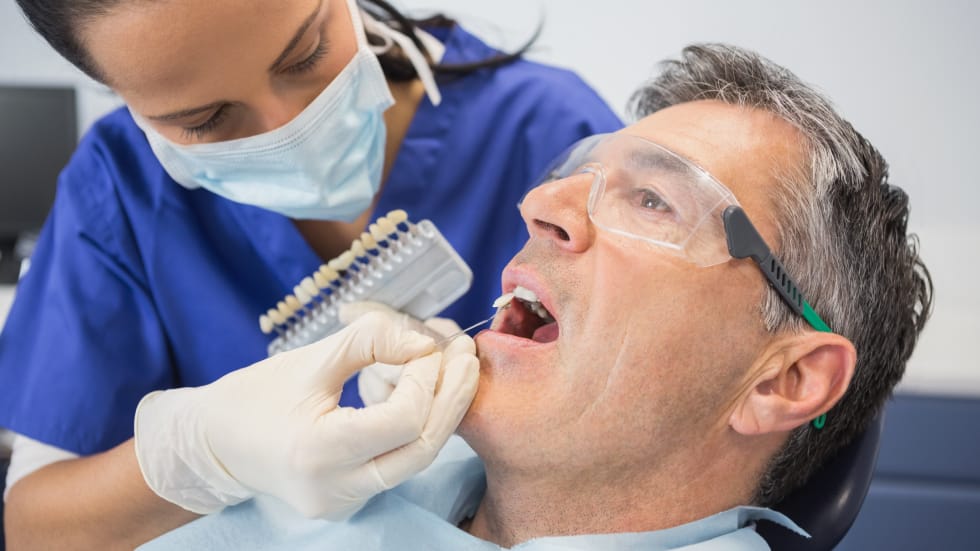
Yes, chipped, stained, or uneven teeth can be effectively addressed through various cosmetic dentistry treatment options. Procedures like dental veneers, bonding, whitening, and orthodontics are typically used; the best approach usually depends on the specific condition and severity of the dental issues.
Fast Facts:
- Minor chips can be repaired with dental bonding in about 30-60 minutes per tooth
- Stains up to 8 shades lighter than original color are removed by professional teeth whitening
- Approximately 10-15 years is how long porcelain veneers last with proper care
- Mildly uneven teeth can be straightened by clear aligners in 6-18 months
- Improved confidence after treatment is reported by over 90% of cosmetic dental patients
Understanding Your Treatment Options
Among the most common cosmetic concerns we see in our Oshawa practice are chipped teeth. Minor chips can often be repaired with dental bonding, a procedure where tooth-colored resin is carefully shaped and hardened with a special light. Less than an hour per tooth is usually what the process takes. For larger chips or multiple damaged teeth, porcelain veneers might be recommended instead.
Addressing Tooth Stains Effectively
Years of coffee, tea, wine, or tobacco use typically cause stained teeth. Most surface stains can be removed by professional whitening treatments, often lightening teeth by several shades in a single visit. However, some stains run deeper than others. Intrinsic stains, which develop inside the tooth, may not respond as well to whitening alone; alternative approaches could be required.
Correcting Uneven Teeth
Both appearance and function can be affected by uneven teeth. Minor irregularities might be smoothed through cosmetic contouring, where small amounts of enamel are carefully removed. More significant unevenness often requires orthodontic treatment or veneers. Clear aligners have become increasingly popular for adults who want to straighten their teeth discreetly, to be fair.
Combining Multiple Treatments
Different cosmetic procedures are often combined to benefit many patients. A patient might start with professional whitening, then have bonding done to repair small chips, and finish with contouring to perfect the overall shape. This comprehensive approach is often more cost-effective than trying to address each issue separately. Plus, better coordination of results is allowed by this method.
What to Expect During Treatment
One to three appointments are typically needed to complete most cosmetic dental procedures. Bonding and contouring can often be done in a single visit, while veneers typically require two appointments. Preparation and impressions are involved in the first visit, while placement of the final restorations is done during the second. Recovery time is usually minimal for most procedures.
Maintaining Your Results
Even more important after cosmetic treatment is good oral hygiene. Both the health and appearance of your teeth are maintained by regular brushing, flossing, and professional cleanings. Avoiding staining foods and drinks, or using a straw when consuming them, can help preserve whitening results. Touch-up treatments every year or two are found by some patients to keep their smile looking its best.
Making the Right Choice for Your Smile
Your specific concerns, budget, and timeline are what the best treatment approach depends on. During a consultation, your teeth are examined by us and your goals are discussed to create a personalized treatment plan. How affordable some cosmetic treatments can be surprises many Oshawa residents, especially when compared to the confidence boost they provide. If you’re considering cosmetic dentistry to address chipped, stained, or uneven teeth, visit our website to learn more about your options.
Mini-FAQ:
Q: How long do cosmetic dental treatments last? Long-lasting results are what most cosmetic treatments are designed for. Veneers typically last 10-15 years, while bonding may need touch-ups every 3-7 years. Professional whitening results can be maintained for 1-3 years with proper care. That still surprises people.
Q: What’s the difference between bonding and veneers? Tooth-colored resin is used in bonding and applied directly to the tooth surface, while veneers are thin porcelain shells custom-made in a lab. Bonding is less expensive but not as durable. Superior stain resistance and longevity are offered by veneers.
Q: Can severely stained teeth be whitened? Look, it depends on the type of staining. Surface stains from coffee, wine, or smoking respond well to professional whitening. Deep stains from medications or trauma might require veneers or crowns instead.
Q: Is cosmetic dentistry covered by insurance? Fair point to ask. Purely cosmetic procedures aren’t covered by most insurance plans. However, if the treatment also addresses functional issues like bite problems or tooth structure, partial coverage might be available.