
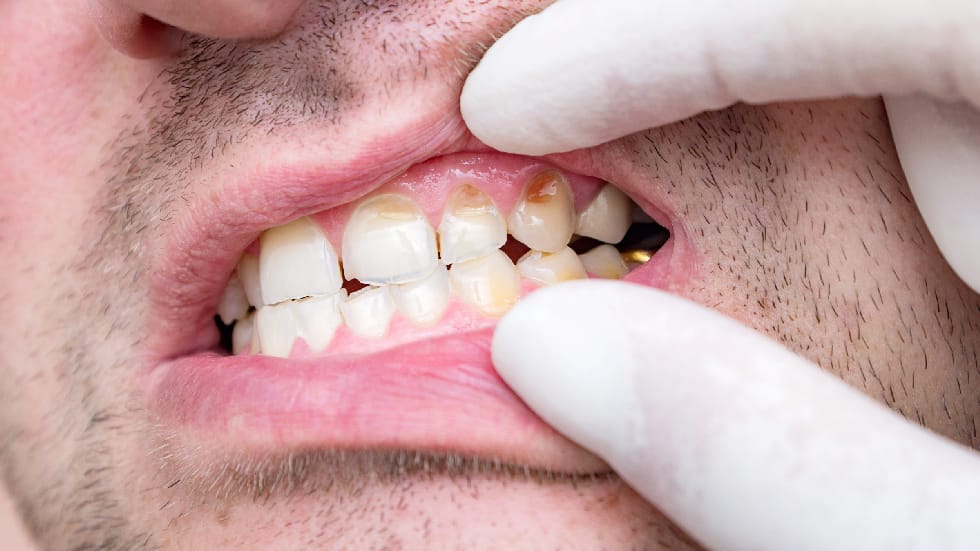
If you chip or break a tooth, your mouth should be rinsed with warm water immediately and any broken pieces saved in milk or saliva. Swelling can be reduced with a cold compress; discomfort can be managed with over-the-counter pain medication. Your dentist should be contacted right away, as treatment outcomes are usually improved by quick action.
Fast Facts:
- Roughly 25% of children and 33% of adults are affected by dental trauma at some point
- Tooth fragments are preserved for up to 2 hours better by milk than water
- Cold compresses should be applied for 15-20 minutes at a time
- Most chipped teeth can be repaired if treated within 24-48 hours
- Emergency dental visits cost 3-5 times more than preventive care
Assess the Damage Quickly
What you’re dealing with needs to be figured out first. A mirror should be used if possible, but the area shouldn’t be probed with your fingers or tongue. Only the outer enamel might be affected by minor chips, while the sensitive inner layers can be exposed by deeper breaks. A more serious injury that needs immediate attention is usually indicated by blood. Any visible pieces you can find should be saved, even tiny fragments.
Rinse and Clean the Area
The mouth is cleaned best after dental trauma with warm salt water. Half a teaspoon of salt should be mixed in a cup of warm water and gently swished around. Debris and bacteria are removed by this while damaged tissues are treated gently. Hydrogen peroxide or alcohol-based mouthwashes should be avoided, as exposed tooth nerves can be irritated by these. Sharp pain might be triggered by cold water if the break is deep.
Preserve Any Broken Pieces
Tooth fragments can often be reattached if proper handling occurs. Pieces should be placed in a small container with milk, saline solution, or your own saliva. The tooth tissue is kept alive longer by these liquids than by plain water. The fragments shouldn’t be scrubbed or wrapped in tissue; the delicate root surface can be damaged by this. Her front tooth was saved this way by one Oshawa patient after a cycling accident last year.
Manage Pain and Swelling
Over-the-counter pain relievers like ibuprofen work well for dental trauma since both pain and inflammation are reduced by them. Package directions should be followed, and recommended doses shouldn’t be exceeded. Swelling can be minimized by a cold compress applied to the outside of your cheek. It should be applied for 15 minutes, then removed for 15 minutes. Ice shouldn’t be placed directly on the tooth; additional damage can be caused by this.
Protect the Damaged Tooth
Sharp edges should be covered with dental wax, sugar-free gum, or even a small piece of gauze if the break has them. This prevents cuts to your tongue or cheek. Soft foods should be chosen and chewing on that side of your mouth should be avoided. Sensitivity might be caused by hot and cold foods, so room temperature options are usually more comfortable. Further damage should be prevented until professional help is available.
Know When It’s an Emergency
Immediate attention is required by severe breaks that expose the tooth’s inner pulp, often within hours. Visible pink or red tissue inside the tooth, severe pain, or heavy bleeding are included in the signs. Emergencies are always represented by knocked-out teeth. Regular office hours can typically accommodate less urgent situations, like small chips without pain. Your dental office should be called for guidance when in doubt.
Get Professional Care
Your dentist should be contacted as soon as possible, even for minor chips. Time slots for emergency situations are reserved by many dental offices, and better outcomes often result from early treatment. Emergency dental clinics in Oshawa can provide immediate care if your regular dentist isn’t available. Treatment shouldn’t be delayed hoping the problem will resolve on its own. Sometimes these things just need attention. Our website can be visited to learn more about emergency dental services and your appointment can be scheduled today.
Mini-FAQ:
Q: Should I try to put a broken tooth piece back in place? A broken piece should never be reinserted by yourself. The fragment could be swallowed or additional damage to surrounding tissues could be caused. Instead, the piece should be preserved in milk or your own saliva until a dentist can be seen.
Q: Can I wait until tomorrow if the tooth doesn’t hurt? Severity isn’t always indicated reliably by pain. Even painless breaks can expose the inner tooth to bacteria; infection can result. Having it evaluated sooner rather than later is better.
Q: What if I can’t find all the pieces? Don’t panic. Missing sections can be rebuilt effectively by modern dental materials. What’s salvageable will be assessed by your dentist and the best restoration approach will be recommended. That still surprises people.